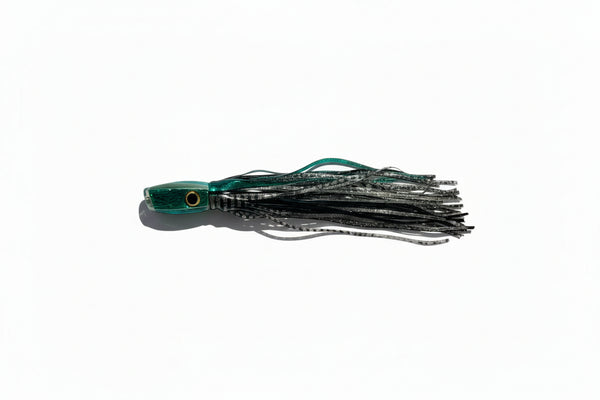
Fish sensory perception is the biological process by which fish detect, locate, and confirm prey using scent, vibration, and vision in a fixed sequence. Why understanding fish senses improves lure choice comes down to one fact: fish do not find your lure by accident. They follow a scent trail from hundreds of yards away, lock onto vibration at mid-range, and use sight only to confirm the strike. Anglers who know this sequence stop guessing about color and start thinking about the full sensory picture. That shift alone changes how you rig, what you buy, and how often you land fish.
Why understanding fish senses improves lure choice
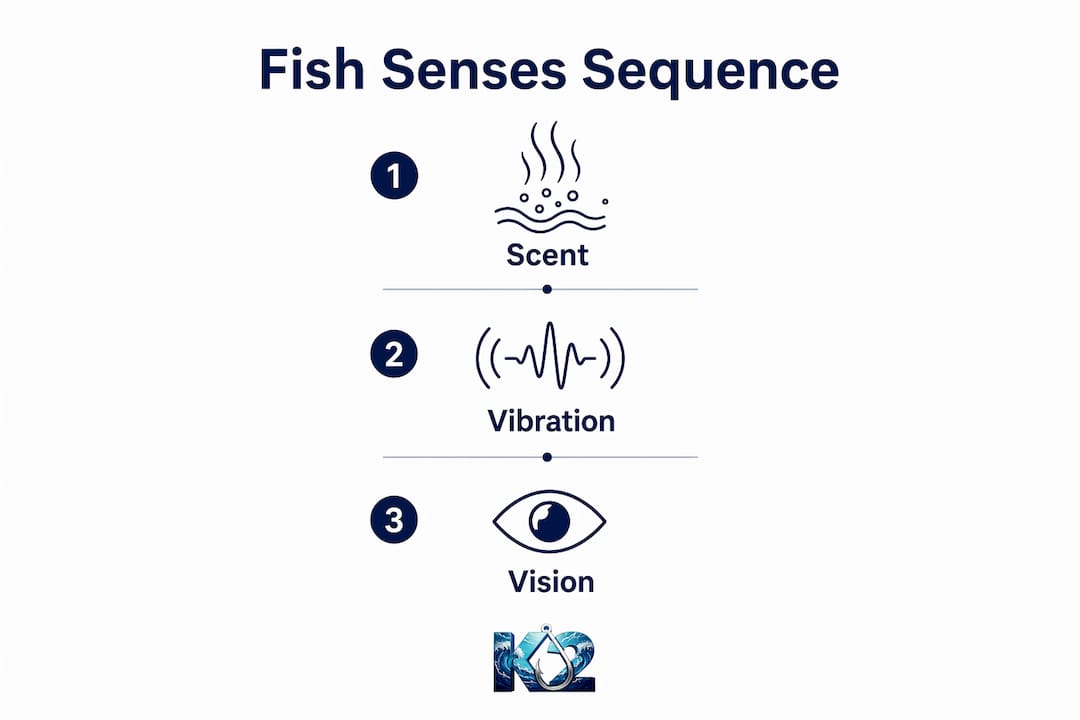
Fish use three senses in a specific order to find food. Scent triggers long-distance tracking, vibration provides mid-range location, and visual cues confirm the strike. Each sense operates at a different range and serves a different purpose. A lure that only looks good fails at the first two stages of that process.
The practical implication is direct. If your lure carries no scent and produces the wrong vibration profile, a fish may never reach the visual confirmation stage. You can have the most visually accurate bait in the water and still come home empty. Matching lure design to each stage of fish detection is what separates consistent anglers from occasional ones.
How do fish olfactory senses affect lure selection?
Fish can detect scent from hundreds of yards away, making the olfactory system the first and longest-range attractant tool available to any angler. That range means a scent trail is working long before a fish ever sees your lure. Species like sharks can detect blood at one part per million, which illustrates just how sensitive fish olfactory systems are across the board.
Scent matters differently depending on species and habitat. Pelagic fish like tuna and wahoo have specialized olfactory adaptations tuned to the open ocean. Bottom feeders in murky rivers rely on scent even more heavily because vision is nearly useless in those conditions. Strong currents carry scent trails efficiently, which is why drift fishing with scented baits works so well in moving water.
Key factors that affect scent-based lure effectiveness:
- Water clarity: Low visibility conditions force fish to rely almost entirely on scent and vibration.
- Current speed: Faster currents spread scent trails wider and farther, increasing attraction range.
- Species biology: Some species have far more olfactory receptors than others, making scent a primary trigger.
- Lure material: Soft plastics absorb and release scent compounds better than hard-bodied lures.
- Natural vs. synthetic scent: Natural bait oils and amino acids outperform most synthetic alternatives at the final bite stage.
Pro Tip: In low-visibility or fast-moving water, choose lures that emit chemical cues continuously. Soft plastics soaked in natural bait oils or lures with built-in scent chambers give fish a trail to follow when they cannot see anything.
How does the lateral line system influence lure action?
The lateral line is a pressure-sensing organ that runs along both sides of a fish’s body. It detects low-frequency vibrations and water displacement caused by nearby movement. This system is what tells a fish something is alive and moving nearby, even in complete darkness.
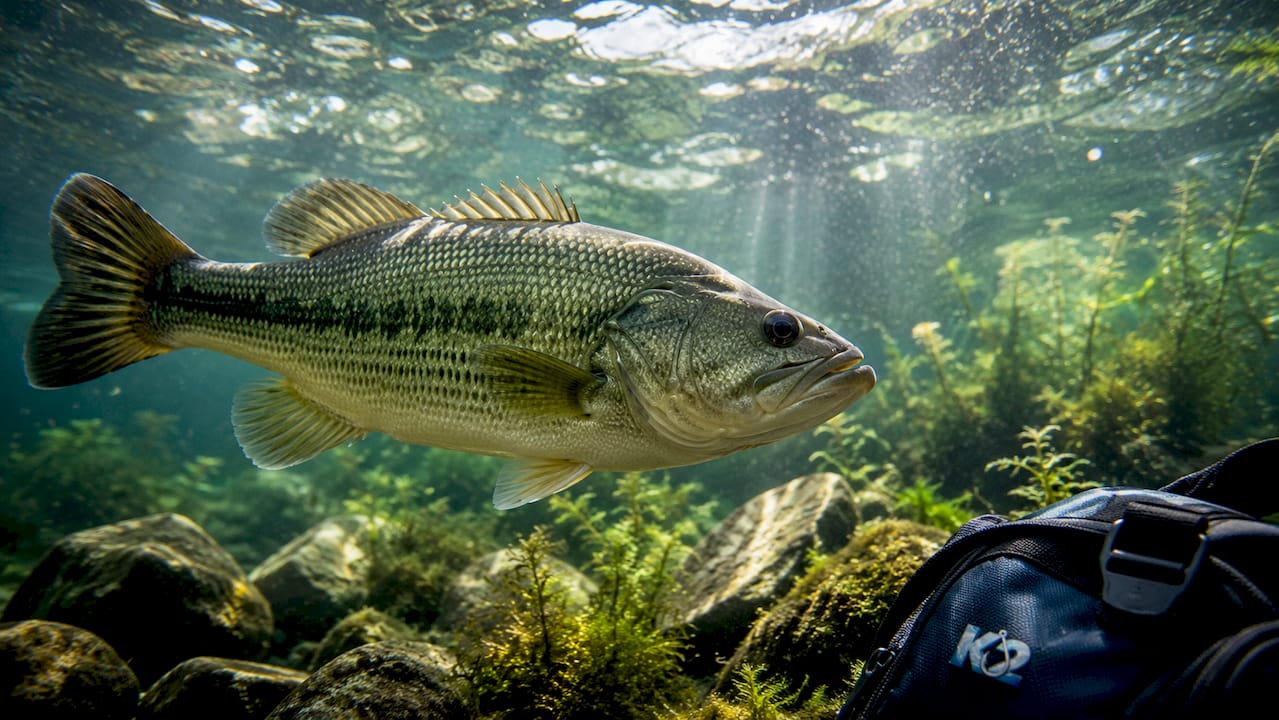
The range of the lateral line is shorter than most anglers assume. It operates effectively within 1–2 feet for precise strike decisions, though it can sense general movement at slightly greater distances. Scent brings the fish into the zone. The lateral line takes over from there and guides the final approach.
Lure action triggers reaction strikes before a fish processes color or fine visual detail. Movement attracts and locates. Color confirms. This means a lure with the right action in the right frequency range will outperform a visually perfect lure that moves wrong.
Frequency matters more than most anglers realize. Lateral line sensitivity drops above 200 Hz, which means high-pitched rattles are largely wasted energy. The lures that produce results create low-frequency thumps that mimic the pressure signature of real prey.
What separates effective vibration profiles from ineffective ones:
- Low-frequency wobble: Mimics the tail beat of baitfish, which is the most natural signal a lateral line receives.
- Erratic action: Simulates an injured fish, which triggers predatory instinct faster than steady swimming.
- High-frequency rattles: Often ignored by the lateral line entirely, especially in larger predatory species.
- Lure size and body mass: Larger lures displace more water, producing stronger pressure waves at lower frequencies.
- Trolling speed: Speed directly controls vibration frequency, so matching speed to species preference matters.
Pro Tip: Match your lure’s action to the natural prey of your target species. Check out swimming lure action profiles before selecting a lure for a new species. A lure that wobbles at the right frequency for wahoo will not produce the same result for marlin.
How does fish vision shape lure color and design?
Fish vision is wide-angle and, during daylight, operates at at least human-level color detection. That is a stronger visual system than many anglers credit. The catch is that vision is typically the last sense engaged in the feeding sequence, not the first. It confirms the strike rather than initiating the chase.
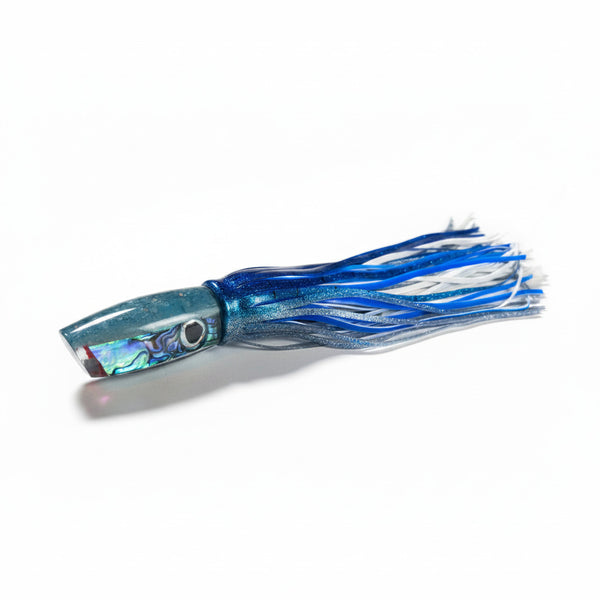
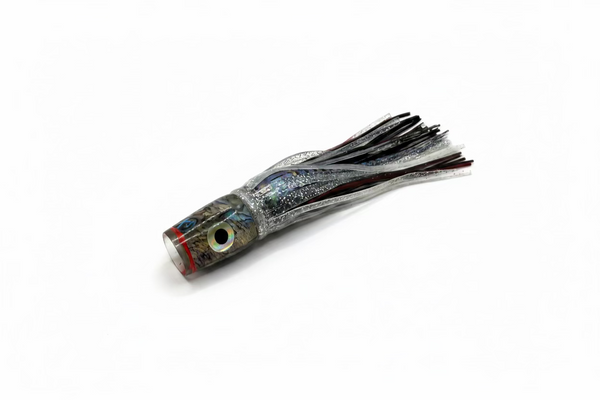
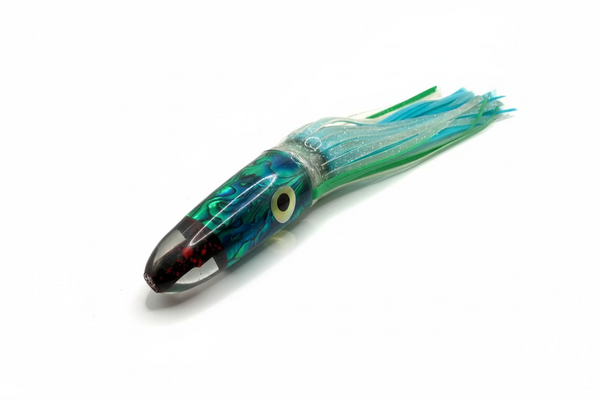
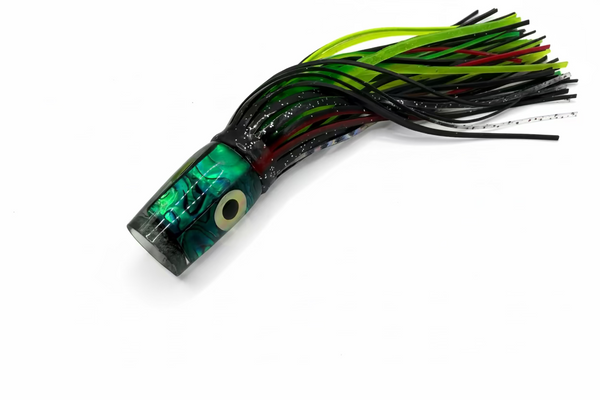
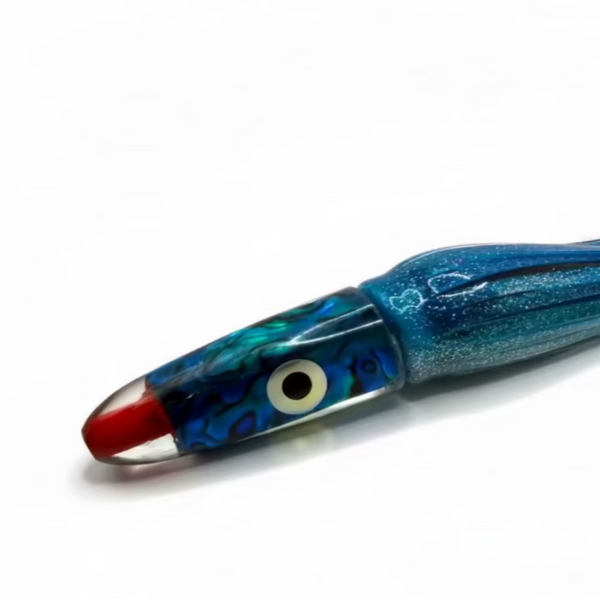
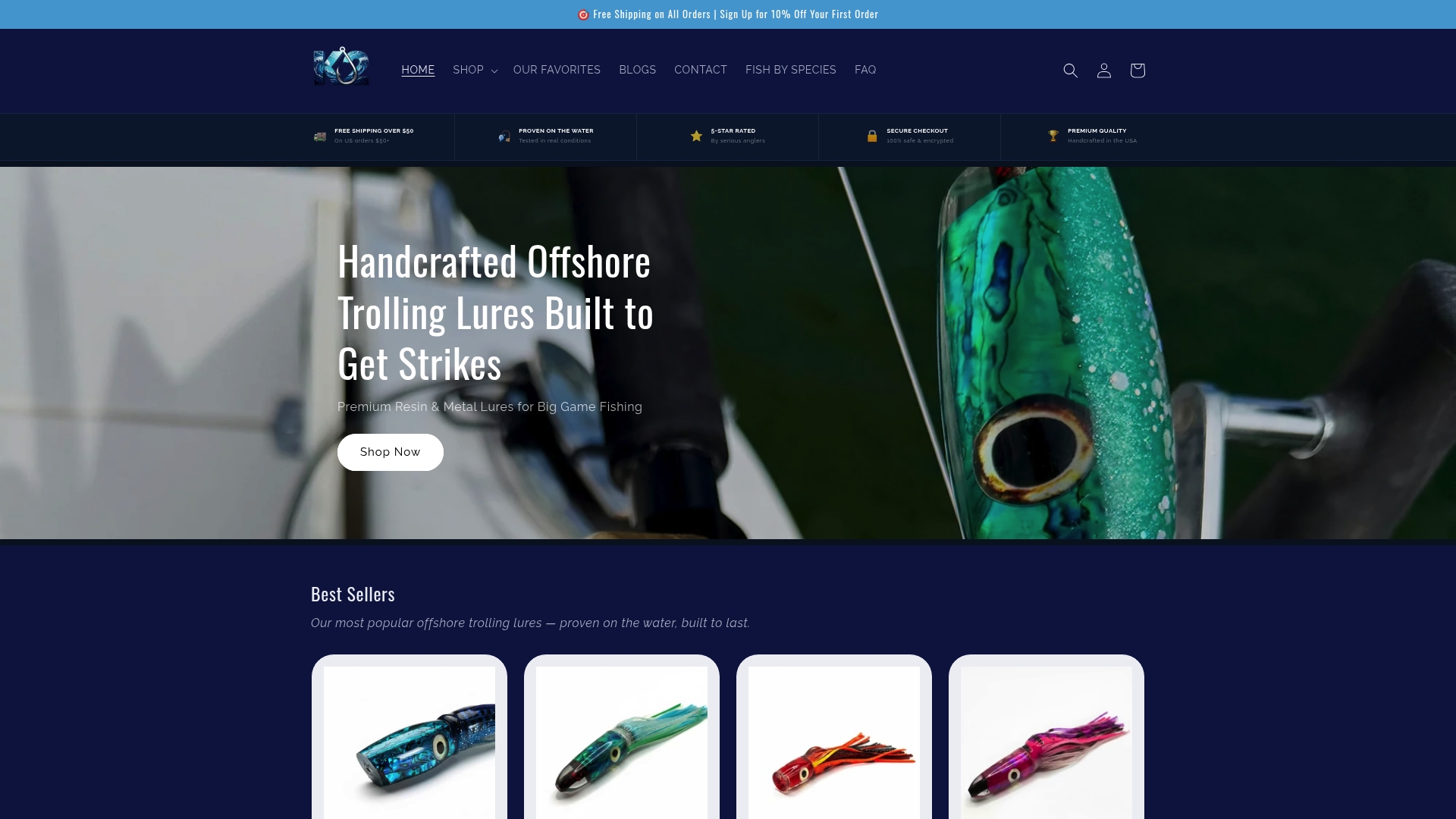
Color and flash matter most in clear, bright water where light penetrates deeply. In those conditions, a lure that produces strong contrast and reflective flash gives the fish a clear visual target to commit to. Abalone resin, used in K2fishing lures, produces a multi-spectrum flash that shifts with angle and light, mimicking the iridescent flank of real baitfish far more accurately than painted surfaces.
In murky or deep water, the visual advantage collapses quickly. Contrast becomes more important than color accuracy. A dark silhouette against a lighter background registers more clearly than a perfectly colored lure that blends into the visual noise.
| Environment | Primary sense | Secondary sense | Best lure feature |
|---|---|---|---|
| Clear, bright water | Vision | Vibration | High flash, natural color |
| Murky or stained water | Scent | Vibration | Strong contrast, scent emission |
| Deep water | Vibration | Scent | Low-frequency action, dark profile |
| Fast current | Scent | Vibration | Scent trail, erratic action |
| Low light or night | Vibration | Scent | Bioluminescent finish, scent |
Bioluminescent lure design addresses the low-light and deep-water problem directly by giving fish a visual target when ambient light is insufficient for standard color detection.
How do you combine fish senses into a complete lure strategy?
Combining scent, vibration, and visual cues in a single lure produces significantly better results than relying on any one sense alone. This is not a theory. It reflects how fish actually feed. A lure that addresses all three stages of the detection sequence removes the gaps where fish lose interest or turn away.
Building a multi-sensory lure strategy works best when you follow a structured approach:
- Identify your target species’ dominant sense. Marlin and tuna rely heavily on vision and vibration in open water. Striped bass in tidal rivers lean on scent and lateral line sensitivity. Start with the sense that matters most to your species.
- Read the water conditions before you rig. Turbid or fast-moving water suppresses vision. In fast, turbid water, scent and low-frequency vibration carry the full load. Clear, calm water opens up the visual channel.
- Choose lure action before color. Select a lure whose movement profile matches the natural prey of your target. Then choose color based on water clarity and light level.
- Add scent when conditions allow. Natural bait oils applied to soft plastics or scent-releasing lure designs extend your attraction range dramatically in any condition.
- Adjust trolling speed to control vibration frequency. Faster speeds increase vibration frequency. Slower speeds produce deeper, lower-frequency thumps. Match speed to what your target species responds to.
- Account for the final bite stage. Taste receptors on fish lips explain why fish mouth and drop artificial lures. Chemically accurate scent at the surface of your lure improves hook-up rates at the last moment.
The most common mistake anglers make is over-investing in color while ignoring scent and vibration. A lure that looks perfect in the tackle box but produces the wrong vibration profile and carries no scent is a one-sense lure competing against fish that use three. Understanding lure position in trolling also plays a role, since position affects how scent trails disperse and how vibration signals interact across multiple lures in the spread.
Fish perceive an integration of all senses, which means aligning scent, vibration, and visual signals to biological demands engineers the strike rather than leaving it to chance.
Key Takeaways
Fish detect prey through a fixed sequence of scent, vibration, and vision, and lures that address all three stages of that sequence consistently outperform single-sense designs.
| Point | Details |
|---|---|
| Scent is the longest-range trigger | Fish track scent from hundreds of yards; lures with chemical cues attract fish before any other sense engages. |
| Lateral line governs mid-range detection | Low-frequency vibration under 200 Hz mimics real prey and guides fish to the strike zone. |
| Vision confirms, not initiates | Color and flash matter most in clear water; contrast outperforms color accuracy in murky conditions. |
| Multi-sensory lures outperform single-sense designs | Combining scent, vibration, and visual cues addresses every stage of the fish detection sequence. |
| Conditions dictate sense priority | Turbid or fast water shifts reliance to scent and vibration; clear water opens the visual channel. |
What I’ve learned from thinking like a fish
Most anglers spend the majority of their time in a tackle shop looking at lures. They hold them up to the light, check the color, and imagine what a fish might think. The problem is that a fish is not standing in a tackle shop under fluorescent lights. It is 40 feet down in green water, following a scent trail it picked up three minutes ago.
The shift that changed how I fish was simple. I stopped asking “does this look good?” and started asking “what does this do at each stage of detection?” That question forces you to think about scent first, vibration second, and color last. It also forces you to think about the specific water you are fishing, not some ideal condition.
The science here is not complicated. Fish are running a biological program that has not changed in millions of years. Scent brings them in. Vibration locks them on. Vision closes the deal. Every time I have ignored one of those stages, I have paid for it with a quiet day on the water.
The anglers I respect most are the ones who adapt. They change lures not because they are bored but because the water changed. They add scent when visibility drops. They slow down when fish are not reacting to vibration. They think about what the fish is experiencing, not what the lure looks like from the boat. That mindset, more than any specific lure, is what produces consistent results.
— Daniel
K2fishing lures are built around how fish actually feed
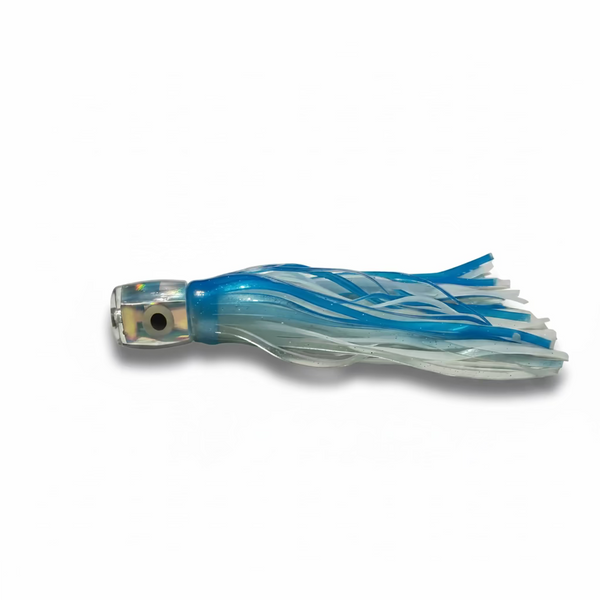
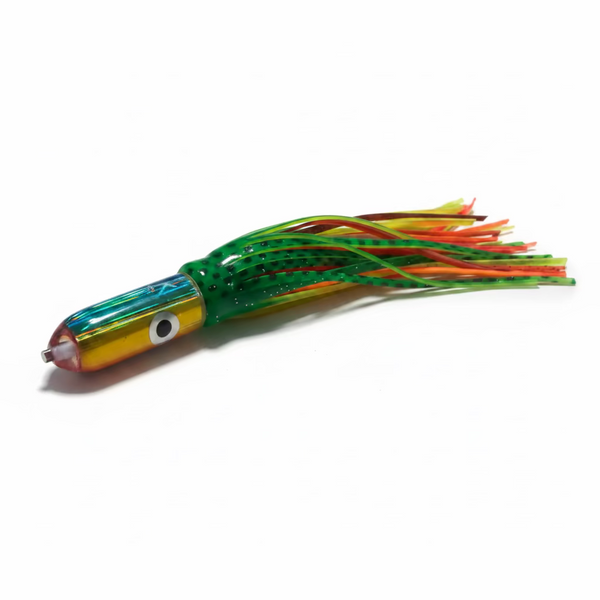
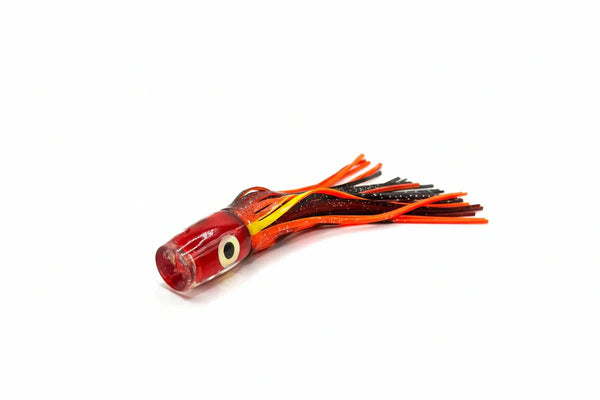
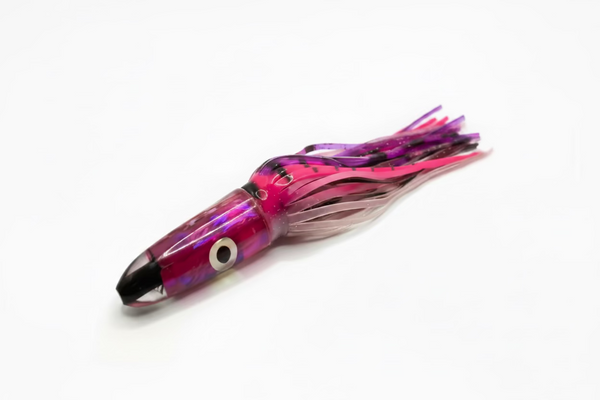
K2fishing designs every offshore trolling lure with the full sensory sequence in mind. The abalone resin used in each lure produces a multi-spectrum flash that shifts with angle and depth, giving marlin, tuna, and wahoo a strong visual target in clear offshore water. The handcrafted action profiles are tuned to produce the low-frequency vibration that triggers lateral line response at the right range.
Every lure is tested in real offshore conditions, not a tank. If you want to understand how K2fishing lures align with fish sensory biology, the offshore lure FAQ covers scent, vibration, and visual design in detail. For anglers ready to put multi-sensory design to work, the full offshore trolling lure collection covers species from marlin to wahoo across a range of water conditions.
FAQ
What senses do fish use to find lures?
Fish use scent, vibration, and vision in sequence. Scent attracts from the greatest distance, vibration guides mid-range approach, and vision confirms the strike.
Does lure color or lure action matter more?
Lure action matters more in most conditions. The lateral line detects movement before the fish processes color, making vibration profile the primary trigger for reaction strikes.
How far away can fish smell a lure?
Fish can detect scent from hundreds of yards away. Species like sharks can sense blood at one part per million, making scent the longest-range attractant available to anglers.
Why do fish mouth and drop artificial lures?
Fish have taste receptors on their lips that assess chemical composition at close range. Artificial lures that lack natural scent fail this final check, causing fish to drop them before the hook sets.
Does water clarity change which lure features matter most?
Yes. In clear water, visual cues like color and flash become more important. In turbid or fast-moving water, scent and low-frequency vibration carry the full detection load because vision is suppressed.