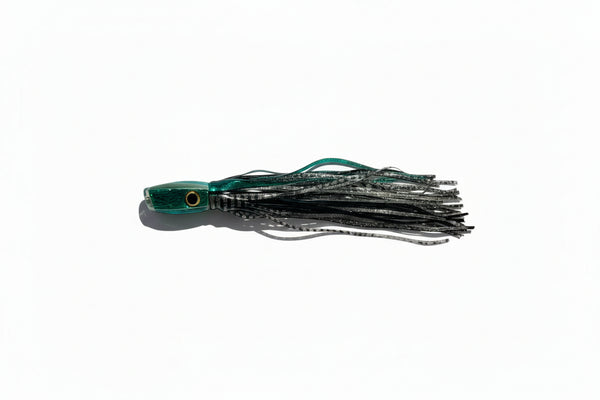
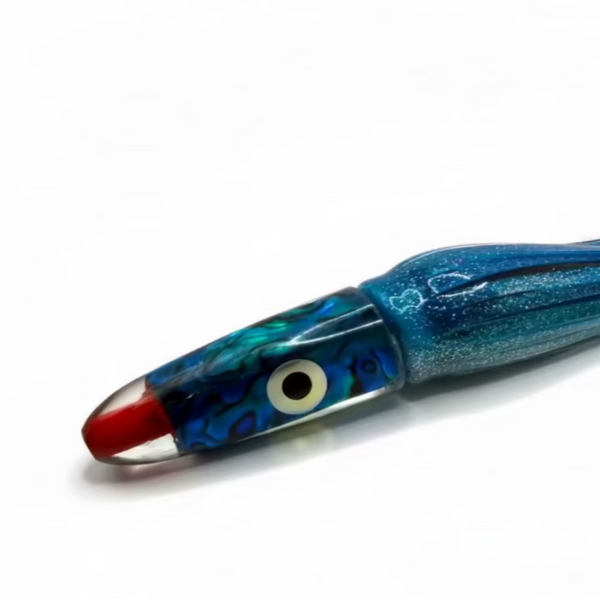
Offshore tournament lure selection is defined by the specific rules of each event, not just by what fish are biting. Understanding how offshore tournament rules affect lure choice separates anglers who cash checks from those who get disqualified on technicalities. Events like the Big Rock Blue Marlin Tournament, Bisbee’s Costa Rica Offshore, and Jacksonville Offshore’s Non-Live Bait Tournament each impose regulations that directly dictate which lures you can legally deploy, how you must rig them, and when you can put them in the water. Getting those details wrong costs you the fish and the prize.
How offshore tournament rules affect lure choice through hook regulations
Hook type is the single most misunderstood compliance variable in offshore tournament fishing. Non-offset circle hooks are mandatory when fishing natural bait or any combination of natural bait with an artificial lure. J-hooks are only permitted on fully artificial lures. That one distinction reshapes your entire terminal tackle plan.
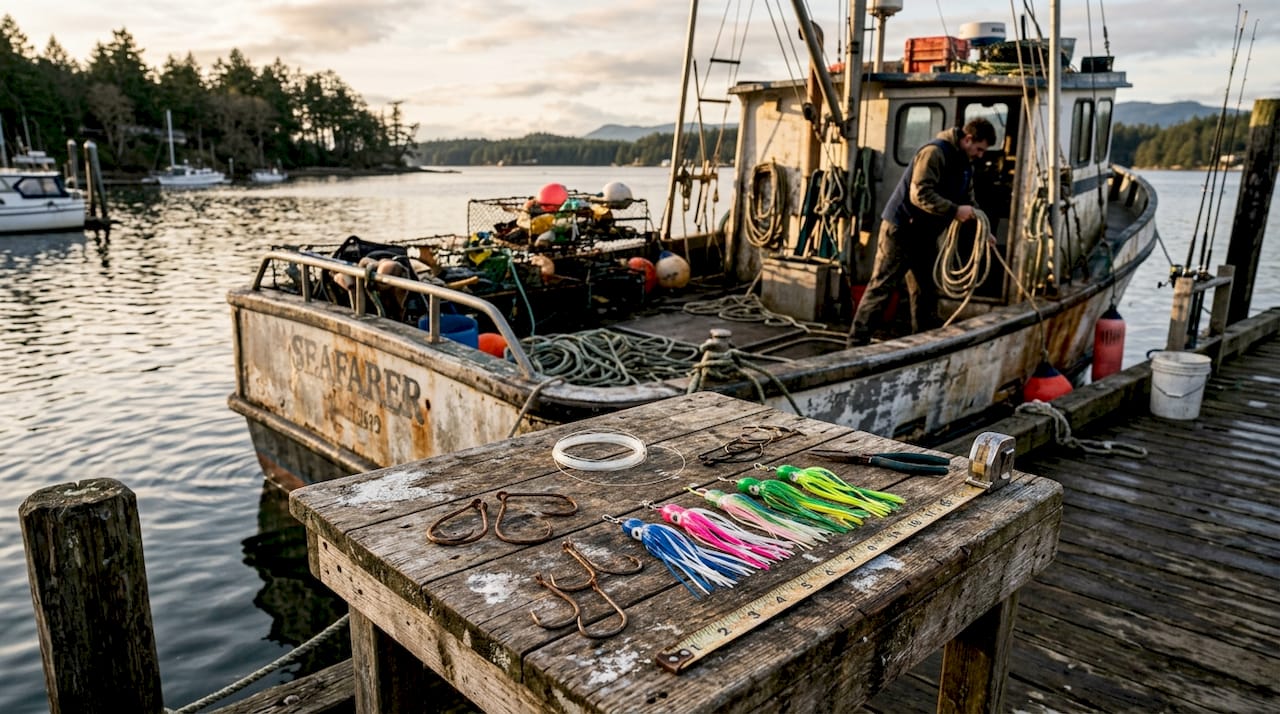
The practical consequence is significant. A skirted ballyhoo combo counts as a natural bait combination, so it requires a non-offset circle hook regardless of the skirt attached. A pure resin or plastic trolling head with no natural material attached qualifies as an artificial lure and can legally run a J-hook. Many anglers rig their spread without thinking through this distinction and end up with an otherwise beautiful fish that cannot be scored.
Terminal tackle compliance means treating the lure, hook, and leader as a single legal unit. The lure head alone does not determine legality. The hook offset type and the bait category together determine whether your catch counts. Teams that overlook this detail lose prize eligibility even when they catch the target species cleanly.
Key hook compliance rules that shape your lure spread:
- Natural bait and natural bait/artificial combos: non-offset circle hooks only
- Pure artificial lures: J-hooks permitted
- Wrong hook offset for the bait category causes disqualification, regardless of fish size
- Leader construction must also meet tournament specifications to avoid ruling violations
- Pre-rigging multiple lure setups for each hook category saves time at the critical moment
Pro Tip: Label your pre-rigged lures by hook type before the tournament starts. A simple color-coded tag on each leader tells your crew instantly which rig is legal for which bait category, cutting swap time to seconds.
How does video verification shape lure rigging decisions?
Video documentation rules have quietly become one of the most influential forces in offshore tournament lure strategy. Bisbee’s Costa Rica Offshore rules require digital video showing the angler, clear leader-to-rod contact, positive species identification, and the fish swimming away before a billfish release counts. If your rigging obscures any of those elements, the release does not score.
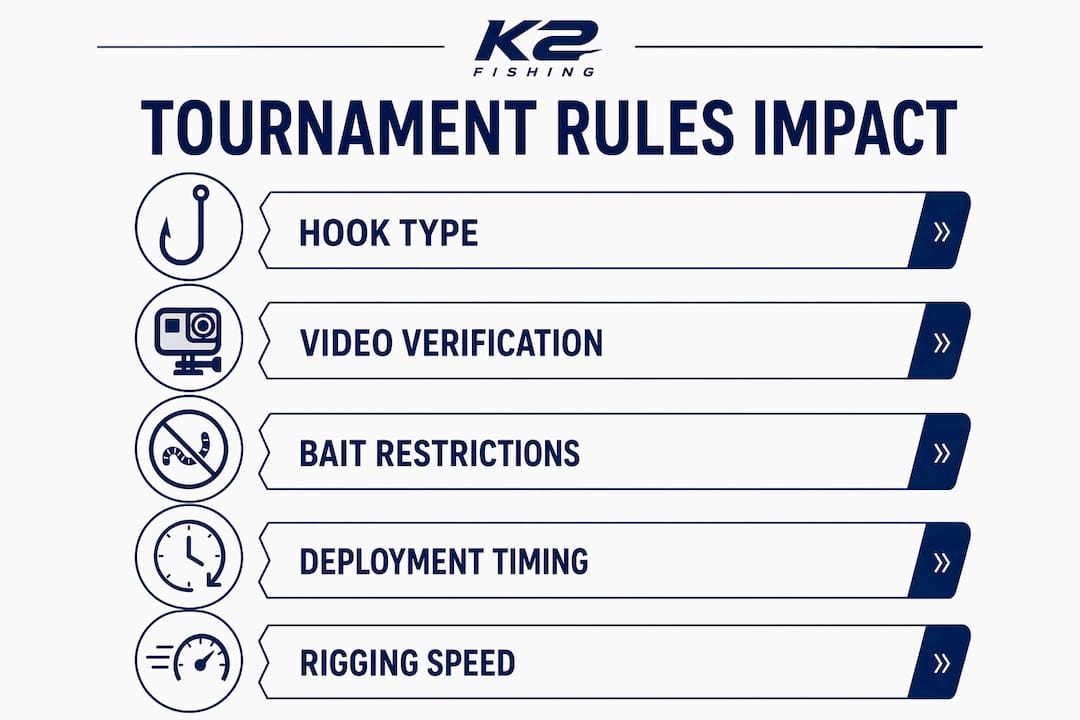
This requirement changes how you think about leader length, lure placement, and hook visibility. A long, heavy leader that stays buried in the rod tip during the fight creates ambiguous footage. Rigs that bring the leader clearly into frame and keep the fish visible at the surface produce footage that scores. Video verification rules shift rigging practices toward setups that create clean, unambiguous visual evidence at the release point.
Practical steps for rigging with video scoring in mind:
- Use leader lengths that allow clear rod-tip-to-fish visibility during the final fight stages.
- Choose lure colors and sizes that contrast with the water for easier species identification on film.
- Position your camera operator before the fish reaches color, not after.
- Rig hooks to minimize deep-hooking, keeping the fish at the surface longer for cleaner footage.
- Test your camera angle during pre-tournament runs to confirm the frame captures leader contact.
Pro Tip: Run a practice drill with your crew before the tournament. Film a simulated release with your actual rigging and review the footage. You will spot visibility problems in practice that you cannot fix mid-tournament.
Which bait and lure restrictions shape your pre-tournament loadout?
Bait class restrictions force the most thorough pre-event planning of any rule category. Jacksonville Offshore’s Non-Live Bait Tournament prohibits live bait entirely and requires all bait and lures to be onboard before fishing begins. Any violation results in disqualification. That rule eliminates an entire tactical category and locks your loadout before you leave the dock.
The impact on lure selection is direct. Without live bait as a fallback, you must build a spread of artificial lures and rigged dead baits that covers the full range of expected prey species. Wahoo, mahi-mahi, tuna, and billfish each respond to different profiles, colors, and running depths. Bait restrictions change mid-tournament decision-making by removing the ability to adapt on the fly, which forces thorough pre-planning of lure loads.
What this means for your lure loadout:
- Build a spread that covers multiple species and depth zones before you leave the dock
- Include lures that match the primary forage for the season, whether that is flying fish, squid, or small baitfish
- Pre-rig backup lures for each position in the spread so a lost lure does not leave a gap
- Avoid over-specializing for one species when the rules prevent mid-event adjustments
- Prioritize lures with broad offshore appeal that attract multiple target species
The deeper lesson from bait restriction rules is that lure choice becomes a forecasting exercise. You are making decisions the night before based on water temperature, current patterns, and historical catch data. Anglers who treat lure selection as an afterthought consistently underperform against those who treat it as a pre-tournament discipline.
What equipment and deployment rules influence lure strategy?
Deployment timing rules create a pressure point that rewards anglers who rig for speed. Big Rock 2026 rules prohibit lines and teasers before official fishing hours, which begin at a precise GPS-verified time. Every boat starts simultaneously, and the first spread in the water has a real advantage in covering productive water early.
Reconnaissance restrictions add another layer. Big Rock 2026 rules ban drones and limit omnidirectional sonar use before official fishing hours. Without aerial or advanced sonar scouting, you cannot pinpoint bait concentrations before the gun goes off. That pushes lure strategy toward broader search patterns rather than precise match-the-bait presentations.
| Rule type | Regulation | Lure strategy impact |
|---|---|---|
| Deployment timing | No lines or teasers before official start | Favor lures that deploy fast with minimal assembly |
| Drone ban | No aerial reconnaissance pre-start | Choose lures with broad species appeal over hyper-specific patterns |
| Sonar restriction | Limited omnidirectional sonar pre-fishing | Spread covers more depth zones to compensate for reduced intel |
| Teaser rules | Teasers prohibited until official start | Pre-rig teasers for instant deployment at the gun |
Lures that require complex rigging or precise tuning at the transom cost you time at the most competitive moment of the day. Trolling lures with stable action right out of the water, like solid resin heads with proven swimming profiles, deploy cleanly and reach productive depth fast. Lure complexity is a liability when the rules compress your setup window to seconds.
Key Takeaways
Offshore tournament rules define legal lure and hook configurations, rigging requirements, and deployment timing, making rule knowledge as important as fish-finding skill.
| Point | Details |
|---|---|
| Hook type determines legality | Non-offset circle hooks are required for natural bait combos; J-hooks are only legal on pure artificial lures. |
| Video rules reshape rigging | Rigs must produce clear leader-to-rod contact and species ID on film for billfish releases to score. |
| Bait bans lock your loadout | Tournaments like Jacksonville Offshore require all lures onboard before start, eliminating mid-event adjustments. |
| Deployment speed matters | Rules banning lines before official start time favor lures that deploy quickly without complex assembly. |
| Recon restrictions broaden lure choice | Drone and sonar bans push anglers toward lures with wide species appeal rather than precise bait-matching. |
What I have learned from watching anglers lose on compliance, not catches
The most painful losses I have seen in offshore tournaments had nothing to do with fish-finding. They came from anglers who caught the right fish, fought it perfectly, and still did not score because of a hook offset or a blurry release video. Those losses are entirely preventable, and they share one root cause: treating lure selection as separate from rule compliance.
The anglers who consistently cash checks treat their entire terminal system as a legal document. Every lure, hook, and leader combination gets checked against the rulebook before it goes in the water. They do not rig by habit. They rig by the specific rules of the specific tournament they are fishing that week.
Video verification rules have changed the game more than most anglers realize. The best lure spread in the world does not help you if your release footage is inconclusive. I have seen teams shift to shorter, more visible leaders and higher-contrast lure colors specifically because those choices produce better footage. That is a real competitive edge that has nothing to do with fish behavior.
My honest recommendation is to read the full rulebook for every tournament you enter, not just the scoring section. The hook regulations, bait restrictions, and deployment rules buried in the back pages are where most compliance failures originate. Pair that knowledge with lures that are built for clean deployment and clear visual presentation, and you eliminate the silent ways that regulation details cost you money.
— Daniel
Tournament-ready offshore trolling lures from K2fishing
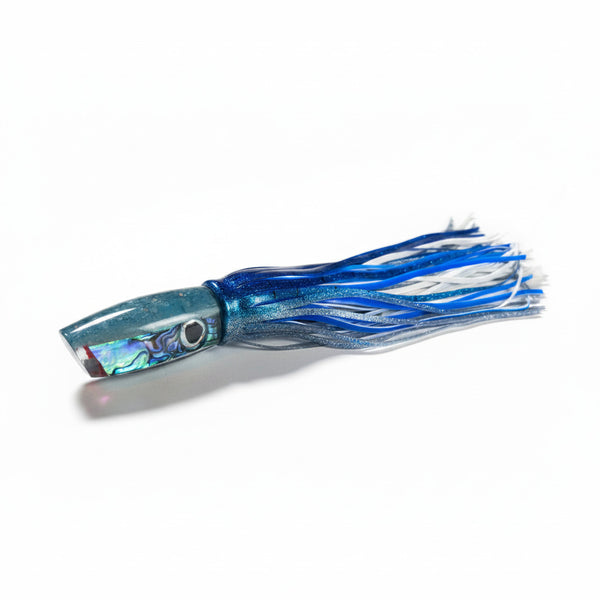
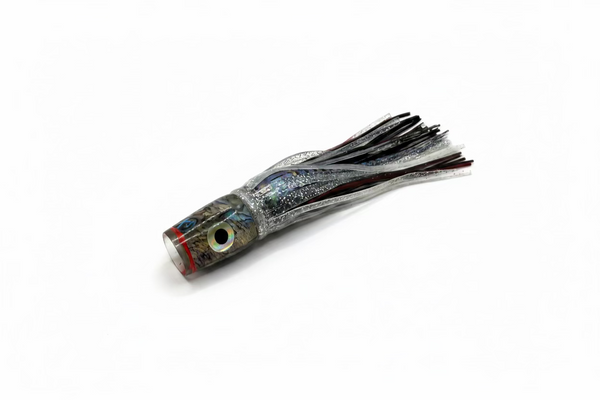
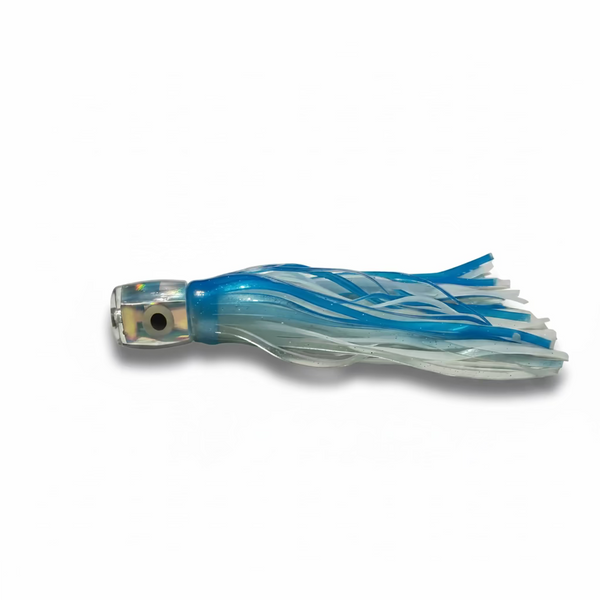
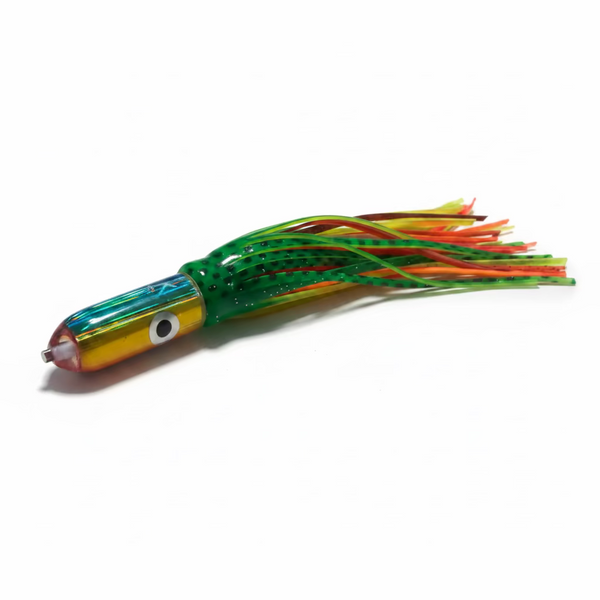
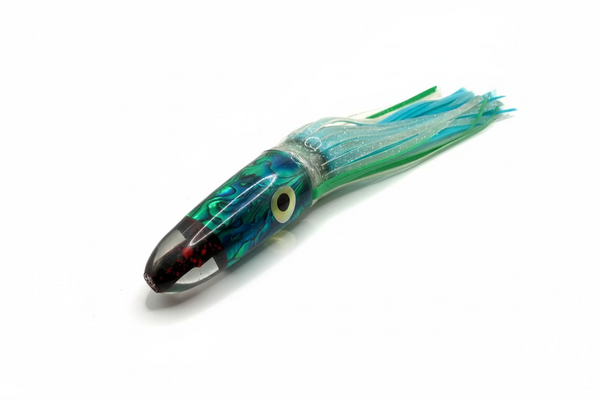
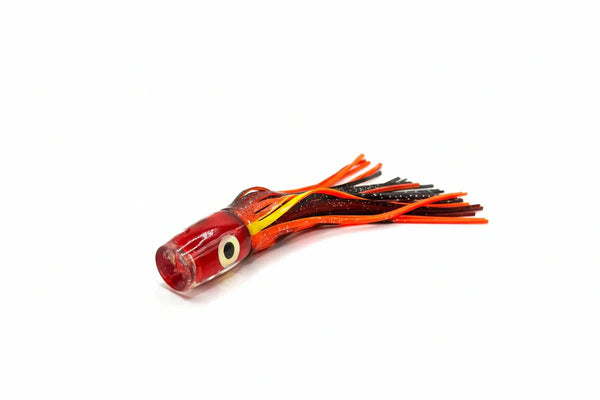
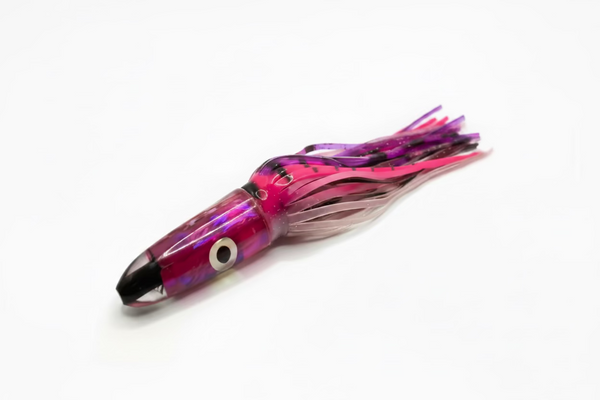
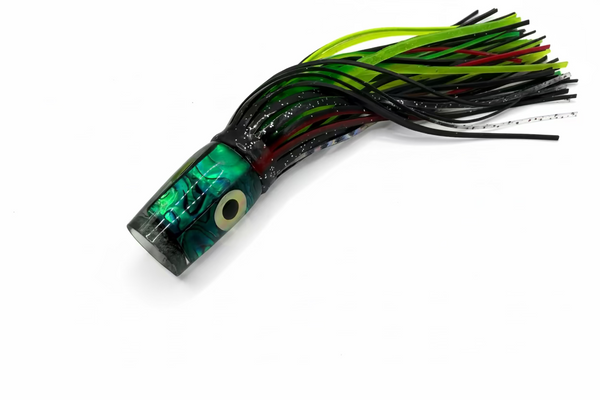
Serious tournament anglers need lures that perform within the rules from the first drop. K2fishing handcrafts offshore trolling lures in the USA using abalone resin, producing the brightness and flash that draws marlin, tuna, and wahoo in competitive conditions. Every lure is built to accept legal hook configurations for both artificial-only and combination rigs, so your terminal tackle stays compliant without sacrificing action.
K2fishing lures deploy fast, run true at tournament trolling speeds, and hold up through multiple fish. For anglers who want to understand lure selection within tournament rule frameworks, the offshore lure FAQ resource covers hook rigging, leader setups, and species-specific recommendations in detail. When compliance and catch rate both matter, the lure you choose at the dock makes the difference on the water.
FAQ
What hook types are legal for artificial lures in offshore tournaments?
J-hooks are permitted on pure artificial lures in most offshore tournaments. Non-offset circle hooks are required when any natural bait is part of the rig.
Why does video verification affect how anglers rig their lures?
Bisbee’s rules require clear footage of leader-to-rod contact and species identification for a billfish release to count. Rigs that obscure the leader or keep the fish submerged produce footage that does not score.
Can you switch lures mid-tournament if bait restrictions apply?
Tournaments like Jacksonville Offshore require all lures onboard before fishing starts. You can swap between pre-loaded lures, but you cannot add new bait or lures once the event is underway.
How do deployment timing rules change lure selection?
Big Rock’s no-lines rule before official start time means every boat deploys simultaneously. Lures that reach productive depth quickly and require minimal setup give you a real advantage in the first critical minutes.
Does the lure head alone determine tournament legality?
No. Terminal tackle legality depends on the complete rig, including hook offset type and bait category. A legal lure head paired with the wrong hook for your bait type causes disqualification.