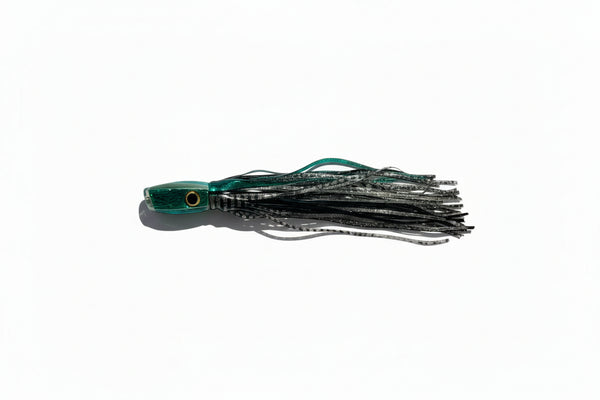
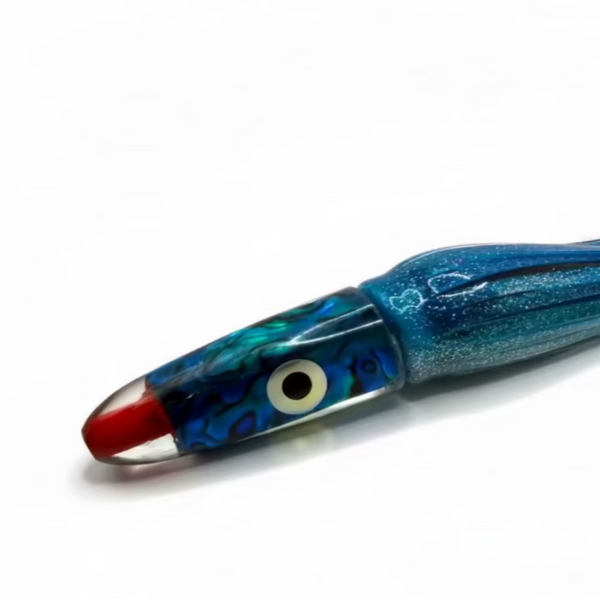
Swimming lure action is defined as the specific physical movement pattern a lure generates during retrieval to mimic baitfish behavior and provoke predatory strikes. Every artificial lure operates through three core mechanisms: action, vibration, and visual profile. Action is the primary trigger. Color and flash matter, but they confirm the strike. Movement is what gets the fish moving in the first place. Understanding what is a swimming lure action means understanding how design choices made before you ever hit the water determine whether fish bite or ignore your presentation entirely.
What is a swimming lure action and why does it drive strikes?
Swimming lure action is not a vague concept. It is a measurable, designable behavior. The way a lure moves through water is determined by its physical construction, and that movement either matches what a predator expects to see from vulnerable prey or it does not.
Fish strike because of movement, not because of perfect visual appearance. Erratic, off-beat swimming patterns trigger reaction strikes more consistently than smooth, mechanical movements. A lure that wobbles, darts, or rolls in an unpredictable way signals an injured baitfish. That signal is hardwired into predatory fish behavior.
The three lure mechanisms work together but in a hierarchy. Action creates the initial attraction. Vibration extends that attraction to fish that cannot yet see the lure. Visual profile closes the deal at close range. Anglers who focus only on color are working the weakest part of that hierarchy. The anglers who understand lure action mechanics consistently outperform those who do not.
How does lure head geometry affect swimming action?
Head shape and hook eye angle form an interconnected hydrodynamic system. Small changes in either variable produce significant differences in how a lure tracks, rolls, and moves through the water column. This is not a minor detail. It is the engine of lure behavior.
Hook eye angle and line pull direction
The angle of the hook eye determines where line tension pulls the lure. That pull direction controls the lure’s nose position and, by extension, its swimming path.
- A 90-degree eye angle positions the hook eye directly on top of the jig head. This creates a natural, controlled presentation by minimizing forward pull and keeping the lure level in the water column. It is the most common angle for finesse presentations.
- A 30-degree eye angle tilts the pull forward and downward. This causes the lure to ride nose-down, producing a more aggressive, darting action on the fall and retrieve.
- Angled eyes between 45 and 60 degrees produce a gliding, sweeping motion. These work well for covering water horizontally and imitating fleeing baitfish.
Head shape and water resistance
A round ball head creates even water resistance on all sides, producing a straight, predictable swim. A pointed or bullet-shaped head cuts through water with less drag, which generates erratic side-to-side darting. A flat-faced head deflects water and causes the lure to wobble or roll. Each shape produces a different hydrodynamic response that changes the lure’s behavior entirely.
Certain jig head designs produce a specialized body roll action that is highly effective in the midwater column but prone to snagging on structure. Knowing when to use that design versus a cleaner-tracking head is part of reading the fishing environment correctly.
Pro Tip: Match your jig head angle to your target depth and retrieve style. Use a 90-degree eye for slow, horizontal presentations near the bottom. Switch to a 30-degree eye when you want aggressive darting on a faster retrieve or when fish are actively chasing.
How do jointed and soft-body swimbaits differ in action?
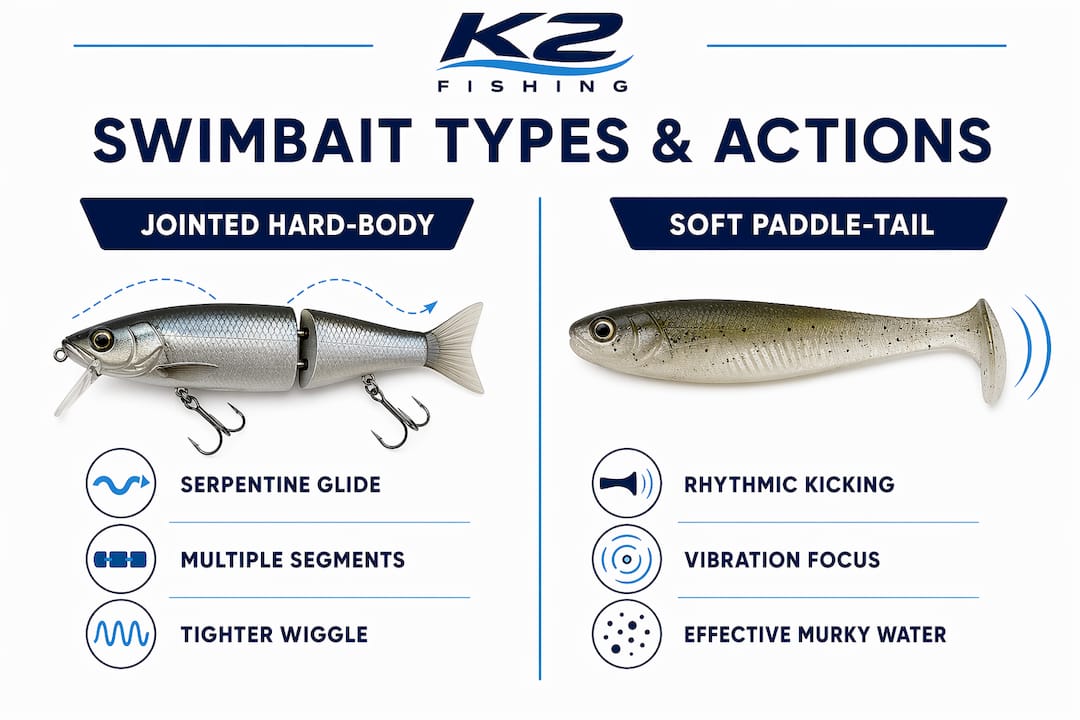
Swimbait is the category where lure action differences become most visible. Two primary designs dominate: multi-jointed hard-body swimbaits and soft plastic paddle-tail swimbaits. Both produce swimming action, but through completely different mechanisms, and they trigger predatory instincts in different ways.
Multi-jointed hard-body swimbaits
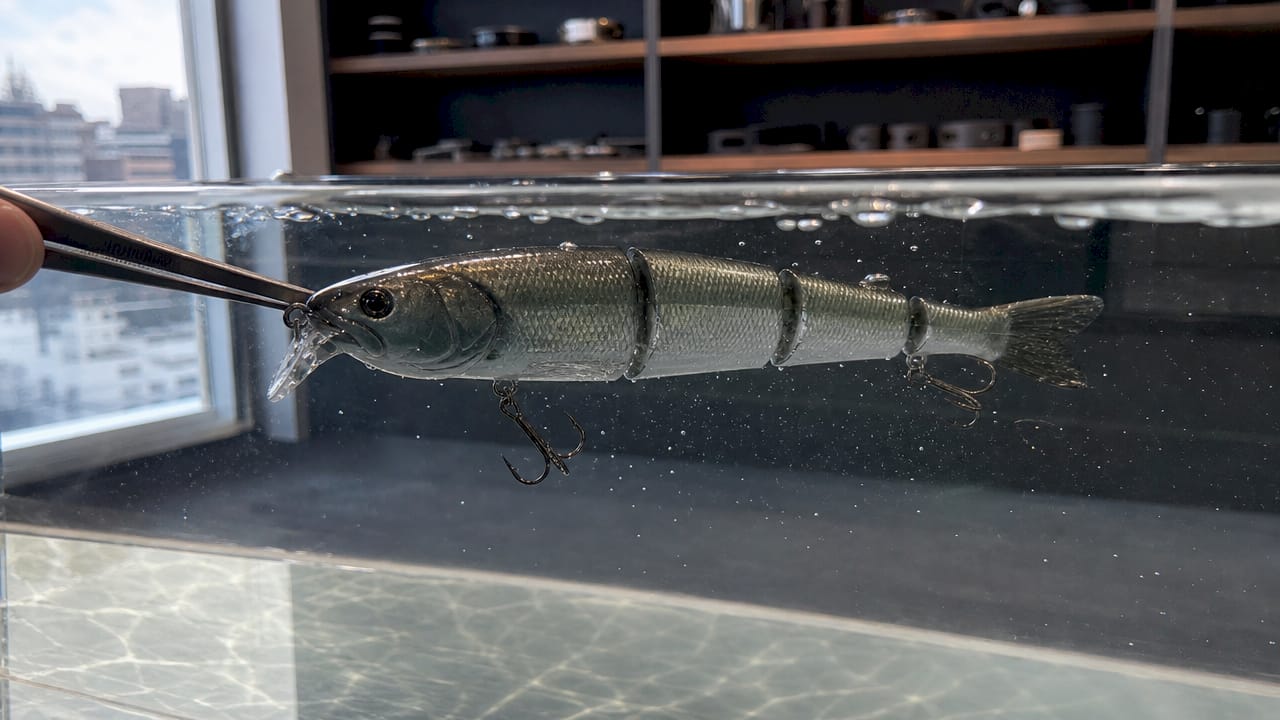
Multi-jointed hard-body swimbaits produce a serpentine, gliding action. Each joint allows the body to flex independently, creating a full-body S-curve motion through the water. This motion closely replicates the natural swimming pattern of large forage fish like shad or herring. The action is visual and fluid, and it excels in clear water where fish can track a lure over distance.
The key variable in jointed swimbaits is the number of segments. More joints produce a tighter, more fluid wiggle. Fewer joints create a wider, more exaggerated swing. Anglers targeting large predators like striped bass or muskie often favor wider-swinging designs because the larger profile and exaggerated motion trigger reaction strikes from fish that have seen everything.
Soft plastic paddle-tail swimbaits
Soft plastic paddle tails work differently. The tail kicks back and forth on retrieve, generating rhythmic thumping vibrations detectable by fish lateral lines beyond 20 feet in clear water. That vibration travels through the water column before the fish can see the lure. It is a sensory alarm that says “prey is here.”
In low-light conditions or stained water, soft paddle tails outperform jointed hard bodies because vibration reaches fish that visual cues cannot. The rhythmic thump also works on a slower retrieve, which keeps the lure in the strike zone longer.
Here is a direct comparison of the two designs:
| Feature | Jointed hard-body | Soft paddle-tail |
|---|---|---|
| Primary action type | Serpentine glide | Rhythmic thump |
| Best water clarity | Clear | Stained or low-light |
| Vibration output | Low to moderate | High |
| Retrieve speed | Moderate to fast | Slow to moderate |
| Strike trigger | Visual tracking | Lateral line detection |
Pro Tip: In pressured water where fish have seen many lures, swim jigs with subtle action often outperform heavily vibrating designs. Wary bass respond better to a natural, understated swimming motion than to aggressive thumping.
Why does action matter more than color?
Fish detect lure action before they detect color. The fish lateral line detects vibration and pressure changes at distances where visual cues are useless. In low visibility, at depth, or during aggressive feeding, a lure’s movement pattern is the only signal that matters.
Color becomes relevant only at close range, when a fish is already committed to investigating. At that point, action has already done the work. Color either confirms the strike or causes the fish to turn away. This is why anglers who obsess over color selection while ignoring action mechanics consistently underperform.
The conditions where action dominates most clearly:
- Low visibility water: Tannin-stained rivers, murky bays, and post-storm coastal water all reduce visual range to a few feet. Vibration and movement are the only tools available.
- Reaction strikes: Fast-moving predators like wahoo and tuna do not inspect a lure. They react to movement. A lure that moves like prey gets eaten.
- Pressured fish: Fish that have been caught and released, or that live in heavily fished areas, become suspicious of unnatural presentations. Subtle, natural swimming motions outperform bright colors with these fish.
Pro Tip: Before changing lure color, change the action. Adjust your retrieve speed, add pauses, or switch head geometry. If the action is wrong, no color will fix it.
How to optimize swimming lure action through rigging and setup
Rigging is where lure action is either preserved or destroyed. A perfectly designed lure with poor rigging produces a spinning, unnatural presentation that fish reject. The mechanics of rigging directly control whether the lure swims correctly.
-
Rig the hook straight and centered. The hook must enter the lure nose centered and exit perfectly straight. A crooked hook causes unnatural spinning that no retrieve technique can correct. Take an extra 30 seconds to verify alignment before every cast.
-
Match hook size to lure size. An oversized hook restricts tail movement and kills the action. The hook gap should clear the lure body without pressing against it. Ideal hook placement sits within the front third of the lure body.
-
Match rod power to hook size. A mismatch between hook size and rod power causes lost fish even when the lure action is perfect. A heavy hook requires a rod with enough backbone to drive the point home on the hookset.
-
Choose weighted vs. unweighted based on depth and action. Weighted lures sink faster and swim deeper. Unweighted soft plastics produce a slower fall with more natural movement. Matching weight to water depth keeps the lure in the strike zone without killing its action.
-
Check your lure after every fish and every snag. A lure that has been bent, twisted, or compressed swims differently than it did before. Reset the hook alignment and inspect the body for damage before continuing.
Pro Tip: Test your lure action beside the boat before making your first cast. Watch how it swims at your intended retrieve speed. If it spins or tracks sideways, fix the rigging before fishing. You cannot catch fish with a lure that does not swim correctly.
Key Takeaways
Swimming lure action is the primary trigger for fish strikes, and every design choice from head geometry to hook placement directly controls how a lure moves through the water.
| Point | Details |
|---|---|
| Action drives strikes first | Movement triggers predatory response before color or flash becomes relevant. |
| Head geometry controls behavior | Hook eye angle and head shape combine to determine tracking, roll, and swimming path. |
| Jointed vs. paddle-tail serve different conditions | Hard-body joints produce visual glide; soft paddle tails generate vibration for low-visibility water. |
| Rigging precision preserves action | A centered, straight hook is the single most important factor in maintaining natural swimming motion. |
| Action beats color in most conditions | Optimize movement before changing color, especially in stained water or with pressured fish. |
What I have learned from watching lures swim
Most anglers treat lure selection as a color decision. They stand in the tackle shop comparing shades of chartreuse and arguing about natural versus bright patterns. I have done it too. It took years of watching lures beside the boat before I understood that I was solving the wrong problem.
The moment I started testing lure action in the water before fishing it, my catch rate improved. Not because I found magic lures. Because I stopped fishing lures that were not swimming correctly. A lure that spins or tracks sideways looks nothing like prey. Fish know it immediately, even if you cannot see it from the surface.
Head geometry is the variable most anglers never think about. Switching from a round ball head to a flat-faced head on the same soft plastic body produces a completely different swimming action. That change costs nothing and takes five seconds. Yet most anglers never experiment with it because they do not know it matters.
The other lesson I keep coming back to is subtlety. Heavily vibrating lures catch fish in active feeding conditions. But in pressured water, the fish that have seen every loud, aggressive presentation respond to something quieter. A swim jig with a natural, understated action often outperforms everything else when the bite is tough. Matching action intensity to the mood of the fish is a skill that takes time to develop, but it separates consistent anglers from occasional ones.
— Daniel
K2fishing lures engineered for serious offshore action
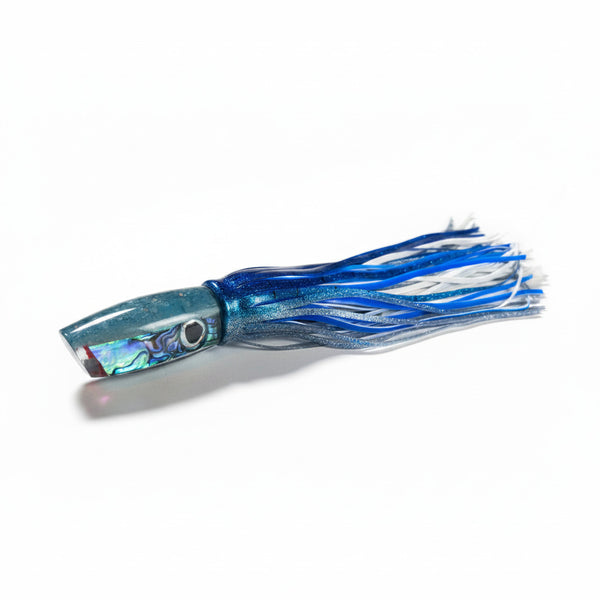
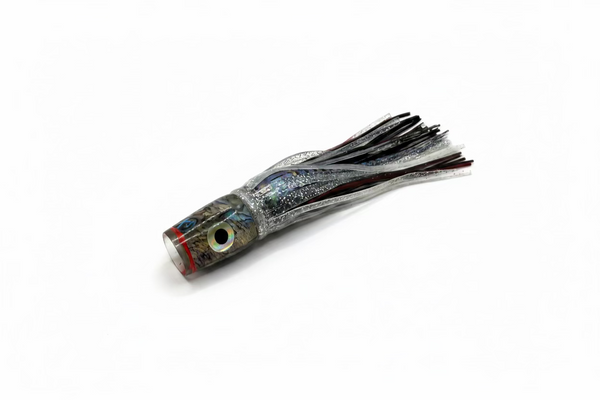
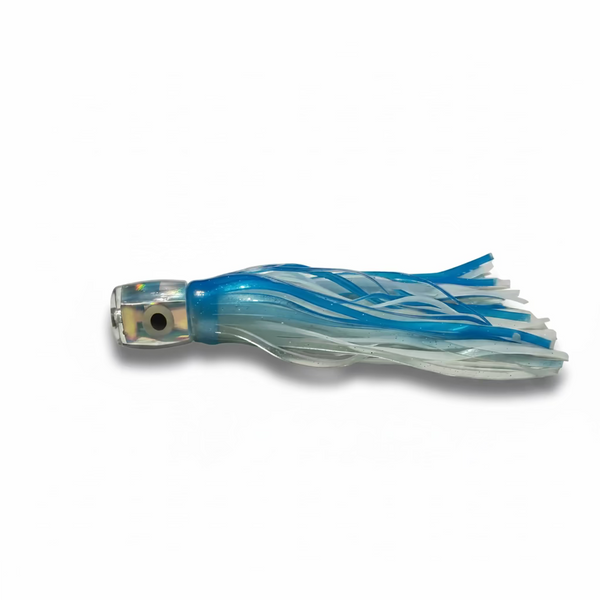
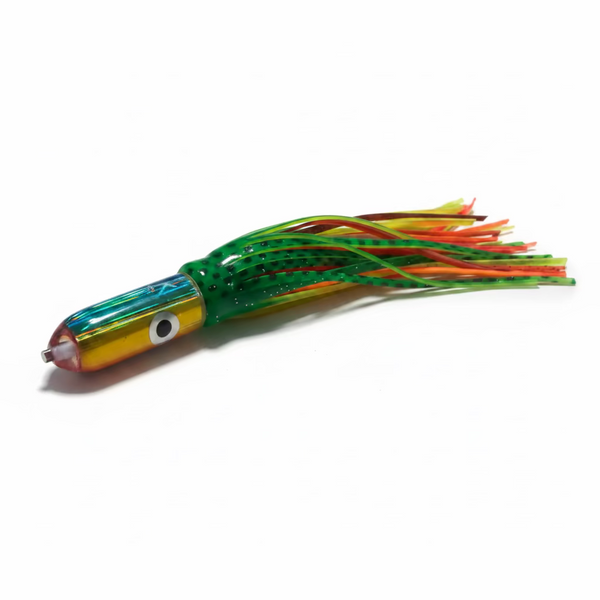
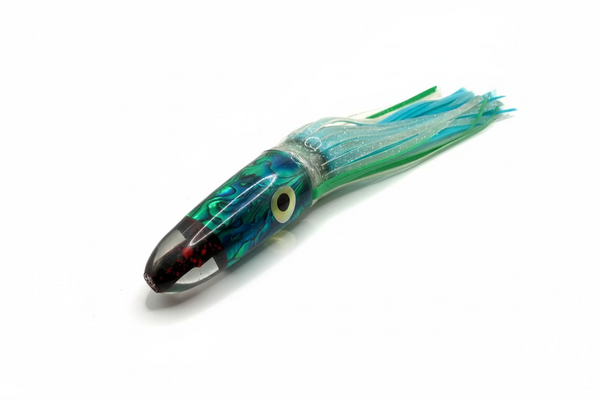
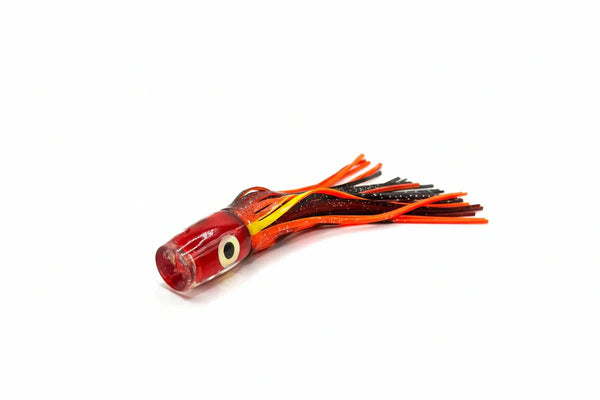
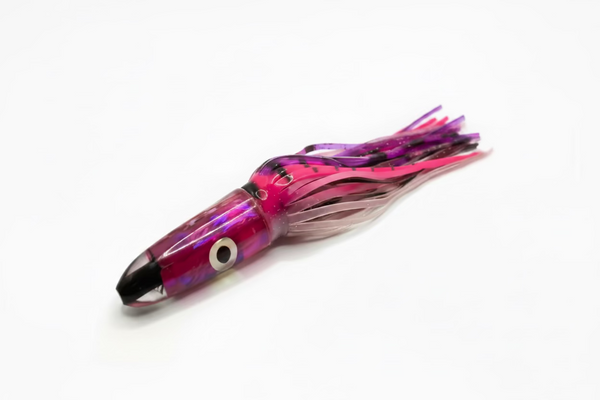
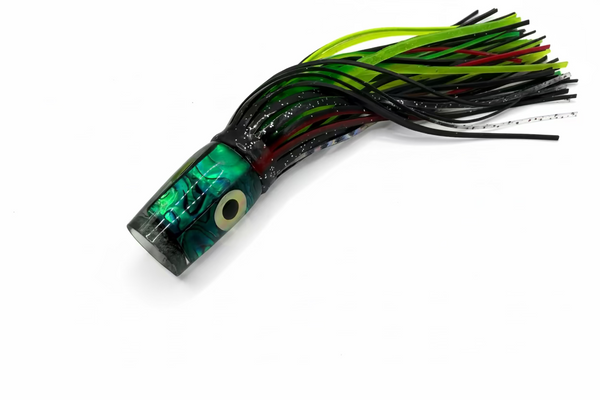
Offshore trolling demands lures that perform at speed, under pressure, and in front of fish that have seen everything. K2fishing builds each lure by hand in the USA with head geometries and body profiles specifically designed to produce consistent, fish-triggering swimming action at trolling speeds.
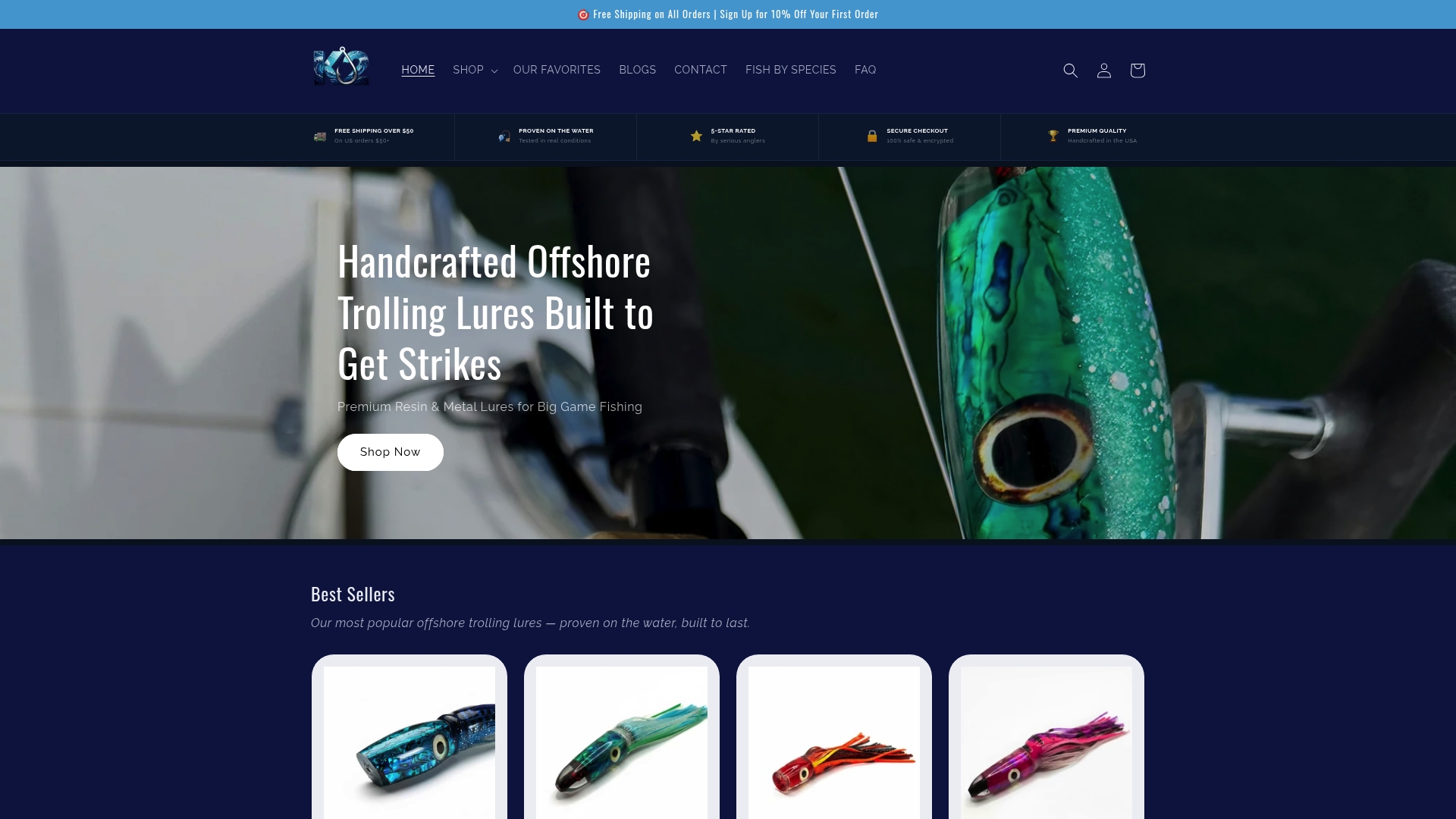
The abalone resin construction adds flash and brightness that complements the lure’s movement, giving marlin, tuna, and wahoo both a visual and motion-based reason to strike. Every lure in the offshore trolling collection is tested in real-world conditions before it reaches anglers. If you want to see how head design and body profile translate into action on the water, the K2fishing lure catalog is the right place to start.
FAQ
What is a swimming lure action in simple terms?
Swimming lure action is the movement pattern a lure produces during retrieval that imitates a baitfish. It is the primary trigger for predatory fish strikes, operating before color or flash becomes relevant.
How does hook eye angle change lure behavior?
Hook eye angle determines the direction of line pull on the lure. A 90-degree angle produces a level, controlled swim. A 30-degree angle causes the lure to ride nose-down and dart more aggressively on retrieve.
Why do soft paddle-tail swimbaits work in murky water?
Soft paddle tails generate low-frequency vibrations detectable by the fish lateral line beyond 20 feet. In stained or low-visibility water, that vibration reaches fish before any visual cue can.
Does lure action matter more than color?
Action matters more than color in most fishing conditions. The fish lateral line detects movement and pressure changes at distance. Color only influences the strike decision at close range, after action has already attracted the fish.
What ruins lure action during rigging?
A crooked hook is the most common cause of failed lure action. Improper hook alignment causes the lure to spin unnaturally, which fish reject. Always rig the hook centered and straight through the lure nose.